
IRS CP501: Your Unpaid Balance Reminder
Notice Instructions: Pay or contact the IRS by the date on your actual notice.
A reminder deserves a clear answer. Start with the balance and the records behind it.
CP501 is a reminder of an unpaid tax balance. The IRS says it has not received a payment or response to the earlier bill.
Read The IRS Guidance For CP501 · Source checked October 11, 2026.
What to Check Next
- Step 1: Compare the notice with your return, account records and payment confirmations.
- Step 2: If the amount is correct, pay by the printed due date or discuss a payment plan.
- Step 3: If you disagree, call the IRS number on the notice with supporting records.
- Step 4: Read the Collection Appeals Program instructions before collection action.
Common Questions About CP501
- Does CP501 Mean The IRS Has Already Levied My Account?
- CP501 is a balance reminder. It does not establish that a levy has occurred.
- Can I Ignore It Until Another Letter Arrives?
- No. Follow its due date. Unresolved debt can bring collection action, continued interest and penalties; do not rely on a promised sequence of letters.
- Where Does The Firm Start?
- The free tax consultation collects your concerns. Use secure intake for private records; a consultation is not an IRS response.
Understand the Notice.
See the Bigger Picture.
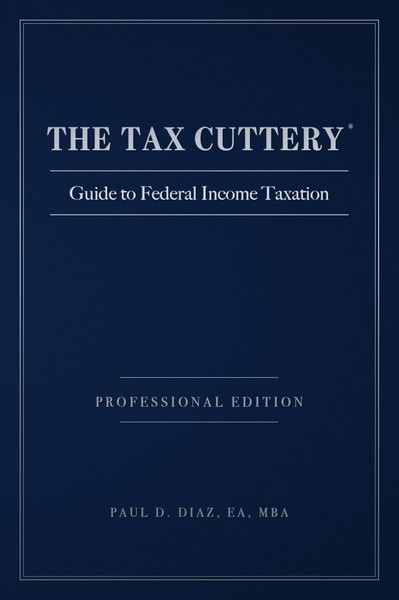
THE TAX CUTTERY® Guide to Federal Income Taxation connects compliance, planning, and resolution. Keep better records, ask better questions, and return to the foundation when your next tax decision arrives.
Registered, verified owners can submit one written tax-topic question to the firm's desk. Individual services are agreed separately.
Already Own A Copy? Register It →Professional Edition hardcover. Taxes and shipping shown at checkout. The free consultation is open without a purchase.
General education; your notice and circumstances govern. A book purchase or consultation does not submit a response to the IRS. Representation, tax preparation, research, and paid time are separately engaged.